Praise Unplugged: Understanding the Vital Role in Today’s Church Gatherings


Uploaded By-Johannsen Lamont
In today's fast-paced society, many people find themselves looking to find a sense of connection and purpose. A contemporary church service can provide precisely that, delivering an enriching experience that touches the soul and ignites the spirit. Whether you’re new to faith or coming back to your roots, understanding what to expect at a church service can help ease any apprehensions and open the path to a transformative journey.
From engaging worship to thought-provoking messages, a Sunday church service serves as a vital touchstone for numerous individuals and families alike. For new visitors, it’s an opening to discover spiritual growth in a communal setting. As hop over to here participate in worship, prayer, and fellowship, the sense of belonging can be deep, providing not only comfort during challenging times but also a chance to build lasting friendships. In this overview, we will examine the key elements of modern church services and how they serve a pivotal role in cultivating faith and community.
The Progression of Worship Practices
Worship methods have changed significantly over the decades, reflecting changes in civilization, innovations, and spiritual understanding. In the initial congregations, worship was defined by basic gatherings dedicated to supplication, bible reading, and communal meals. As the faith spread, ceremonial elements became increasingly structured, and distinct styles emerged within various denominations. This evolution was guided not only by the context of history but also by the intention to make worship reachable and pertinent to a wide array of congregations.
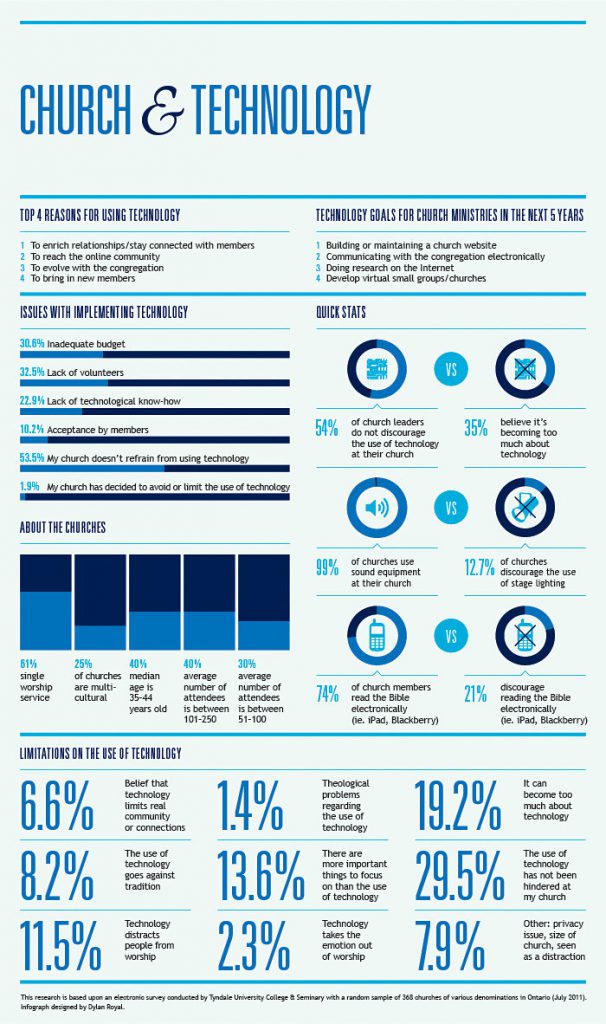
In the last few decades, there has been a marked shift towards current worship practices in many congregations. This approach emphasizes a laid-back atmosphere, often integrating contemporary music, digital media, and interactive elements that engage younger audiences. The use of tech innovations, such as digital screens and social media, improves engagement and enables a more fulfilling worship experience. Many current faith communities focus on establishing an inviting space that encourages connection and involvement, making it easier for visitors to feel welcome.
As worship practices continue to morph, the combination of classic and modern elements often creates unique manifestations of faith. Candle-lit ceremonies, for illustration, maintain the warmth and intimacy of historic ceremonies while incorporating contemporary worship styles. your domain name allows churches to celebrate their heritage while remaining relevant in today's fast-paced world. Ultimately, the progression of worship methods reflects a dynamic faith community, dedicated to nurturing faith development and bonding among its participants.
Incorporating Community in Modern Worship
A lively group is at the center of current worship experiences, reshaping classic church assemblies into interactive experiences. In current church services, such as those found in non-denominational or current settings, the focus on building connections among attendees is essential. This focus creates an friendly atmosphere where individuals feel bonded, both to one another and to God. Group activities, small groups, and community outreach programs often accompany services, allowing members to build deeper connections and assist one another throughout the days.
Incorporating the community into worship services goes past mere socializing; it actively affects the way worship experiences are organized. Lightning-fast transitions between praise, teaching, and community engagement create a flow that keeps individuals involved. Modern worship experiences often provide opportunities for participants to communicate their experiences, prayer requests, and even songs of joy, making every worship a communal experience. This not just enhances the spiritual depth but also affirms the creative and progressive nature of contemporary church services.
Additionally, community involvement in worship can significantly improve family-friendly dynamics within the church. Programs designed for kids and youth ministries encourage participation from all demographics, facilitating intergenerational connections. By presenting opportunities for units to serve together while also addressing their individual needs, churches become places where faith is cultivated collectively. In this context, faith practice becomes not just a individual experience but a collective path that strengthens the community's faith and overall church life.
Effect of Worship on Different Age Groups
Worship in a church service plays a unique role across various age groups, influencing their spiritual experiences and interaction with belief. For young ones, a vibrant and engaging children’s ministry can turn praise seem like a celebratory celebration. Melodies, stories, and interactive activities help them comprehend spiritual lessons in a way that is meaningful and enjoyable, promoting a community spirit within the church community. When kids believe included and enthusiastic about adoration, it builds a solid groundwork for their religious maturation as they mature.
Youth experience worship differently, seeking authenticity and community in their religious experiences. Teen ministry commonly customizes worship experiences that speak with their challenges and dreams. Captivating melodies, relevant messages, and opportunities for youth involvement enable adolescents to articulate their beliefs in a way that is authentic. As they navigate the puzzles of youthhood, the support and fellowship discovered in praise can guide to personal development and a deeper grasp of their beliefs.
Adults often view adoration as a well of renewal and direction. The communal atmosphere of singing, petition, and instruction during church services enhances their belief and encourages them to face the demands of life with optimism. Many mature individuals discover a meaningful mission when they engage in worship, especially in a current setting that mirrors their societal framework. This bond not only improves their religious experience but also builds cross-generational bonds as they adore alongside younger generations and younger generations.